What “Ground Up Construction” Really Means in Southern California
Ground-up construction refers to building a structure entirely from scratch on undeveloped or cleared land. Unlike remodeling or renovation projects, which modify an existing building, ground-up construction begins with a blank slate and allows homeowners, developers, and property owners to create a custom project designed around their exact needs and vision.
For homeowners, builders, and developers, this construction process offers more control than a renovation or addition. Ground-up construction allows for complete flexibility in design, enabling builders to create spaces tailored to specific needs and preferences, which is not possible with renovations of existing structures. Building from the ground up also eliminates legacy structure issues, ensuring that all components are new and up to current standards, which reduces the risk of hidden problems like outdated plumbing or electrical systems.
Ironside Building, LLC is a full-service general contractor, supporting luxury custom homes, commercial tenant improvements, production housing, and home restoration across Southern California. This guide focuses on Orange County areas such as Irvine, Newport Beach, Laguna Beach, Tustin, and Costa Mesa, where lot constraints, hillside conditions, coastal rules, and strict local codes shape every construction project.
Is Ground Up Construction Right for You vs. a Major Renovation?
Many Orange County homeowners reach the same decision point: invest in a luxury renovation or start building a new custom house. The right answer depends on the existing structure, budget, lifestyle, land value, and future plans.
Ground up construction often makes sense when a 1960s or 1970s home has failing plumbing systems, outdated electrical systems, poor room flow, an unreinforced slab, flood/fire damage, or layouts that cannot support modern life. A high-end renovation may be better when the house has good bones, historic character, zoning limits that restrict a new footprint, or when homeowners need a shorter schedule.
Ground-up construction provides the opportunity to incorporate energy-efficient technologies and sustainable materials from the outset, which can lead to long-term cost savings and environmental benefits. Over 10–20 years, brand-new systems, better insulation, modern cooling systems, new windows, stronger exterior walls, and lower maintenance can offset the higher upfront cost in many Orange County markets.
Ironside Building uses feasibility studies and early cost estimates to compare a luxury renovation against a custom build before clients commit major money to either path.
Key Stages of a Ground Up Construction Project
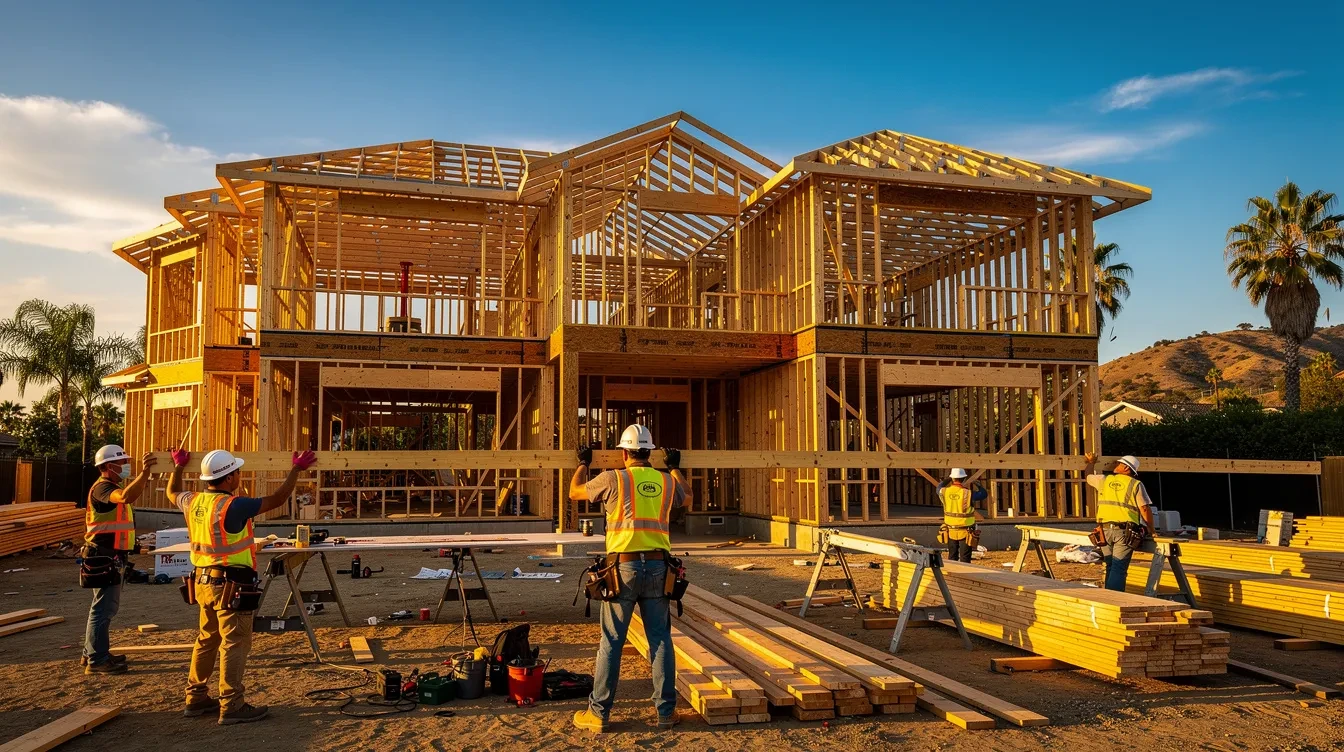
Ground-up construction is a multi-phase process that requires extensive planning, coordination, and project management long before construction begins. While every project is unique, most custom homes in Orange County follow a similar path from concept to completion.
The process typically begins with land evaluation and feasibility planning, where the project team assesses site conditions, zoning requirements, utility access, and overall project viability. Once those factors are understood, architectural and engineering plans are developed and submitted for permitting.
After approvals are secured, construction moves into site preparation, grading, excavation, and foundation work. From there, the structure begins to take shape through framing, installation of mechanical, electrical, and plumbing systems, and the construction of the building envelope. The final stages focus on interior finishes, exterior improvements, inspections, and project closeout before the home is ready for occupancy.
Each phase builds upon the previous one, making early planning and experienced construction management essential to keeping projects on schedule and within budget.
Predevelopment: Land, Feasibility Studies, and Early Budgeting
Predevelopment can begin 3–6 months before permit submission. This is where the core team studies the site, confirms what can legally be built, and decides whether the dream project is financially realistic before formal plans go too far.
Ironside Building evaluates lots for slope, access, utilities, views, zoning, HOA rules, and whether heavy equipment can safely operate on the construction site.
Feasibility studies analyze soil, topography, and environmental impact prior to construction. Early studies may include soils reports, surveys, bearing capacity analysis, high-level structural concepts, utility checks, retaining wall assumptions, impact fees, and foundation options.
Existing buildings are reviewed for demolition or reuse, although garages, foundations, and concrete blocks are rarely reused in California custom homes because seismic code changes and quality control concerns can outweigh savings.
Ironside’s construction management-style risk mapping flags coastal approvals, wildfire zones, high water tables, septic system limits, narrow access, and seasonal grading constraints. This phase helps clients proceed with ground up construction, pivot to renovation, or walk away from land before spending heavily on design.
Site Selection and Acquisition
The success of a ground-up construction project often starts before the property is even purchased. In Orange County, factors such as zoning restrictions, hillside conditions, utility access, school districts, view opportunities, and future resale value can significantly impact both construction costs and long-term property value.
Many buyers focus primarily on the size of a lot, but site conditions often play a much larger role in determining what can realistically be built. Access limitations, grading requirements, coastal regulations, and utility infrastructure can all affect project timelines and budgets
Before moving forward with a property purchase, Ironside Building helps clients evaluate potential sites and identify opportunities or challenges that may impact the overall project.
Design and Permitting: Turning Vision Into Approved Plans
Planning, blueprinting, and breaking ground for ground-up construction can span six to twelve months before assembly begins. In Orange County, design and permitting often run 6–12 months because architecture, engineering, Title 24 energy documentation, HOA review, and city plan check all need coordination.
Ironside aligns the owner, architect, engineer, interior designer, and construction management team early so the plans match the target budget and schedule.
Design milestones include conceptual design, schematic layouts, 3D massing, view studies, design development, and final construction documents. During the design phase, the design team specifies building elements such as walls, floors, and roofs, considering their fire resistance and material composition, as well as layout for functionality. The design phase is critical for project success, as inaccuracies or mistakes can significantly impact the construction schedule and budget.
Securing municipal approvals for new construction involves rigorous processes including zoning clearance and individual permits. Permitting involves submitting drawings and specifications to local agencies to ensure compliance with regulations and codes, which may also require community outreach to avoid roadblocks.
Title 24, seismic design, wildfire provisions, and coastal requirements directly influence windows, insulation, roof assemblies, exterior materials, and structural systems. Learn more about California energy rules through the California Energy Commission.
Balancing Design Ambition with Budget and Timeline
One of the most important aspects of a successful ground-up construction project is finding the right balance between design goals, budget expectations, and project timelines. Features such as expansive glass walls, custom rooflines, large structural spans, soaring ceilings, and luxury finishes can significantly impact both construction costs and overall project duration.
In many cases, strategic adjustments to materials, finishes, or layouts can preserve the overall design vision while improving efficiency and protecting the budget. Planning for future additions such as ADUs, guest houses, pools, or outdoor living spaces early in the process can also help avoid costly modifications later by accounting for utilities, drainage, and infrastructure requirements from the start.
By finalizing major structural, mechanical, electrical, and plumbing decisions during the design phase, homeowners can reduce change orders, minimize construction delays, and create a smoother building experience from groundbreaking through project completion.
Navigating Permits and Approvals in Southern California
Permitting is often one of the longest calendar steps, especially for coastal or hillside properties. In coastal areas, the California Coastal Commission may be involved.
Typical approvals include building, grading, demolition, electrical, plumbing, mechanical, fire sprinkler, environmental, HOA, and coastal permits. Many Orange County plan check cycles run 4–12 weeks, with longer timelines for complex hillside, coastal, or community-sensitive projects.
Construction management teams track comments, assign responses to architects and engineers, and resubmit quickly to avoid lost weeks.
Ironside keeps clients updated so they know when construction can realistically start, when financing draws may begin, and when materials should be ordered.
Site Preparation, Demolition, and Foundation Work
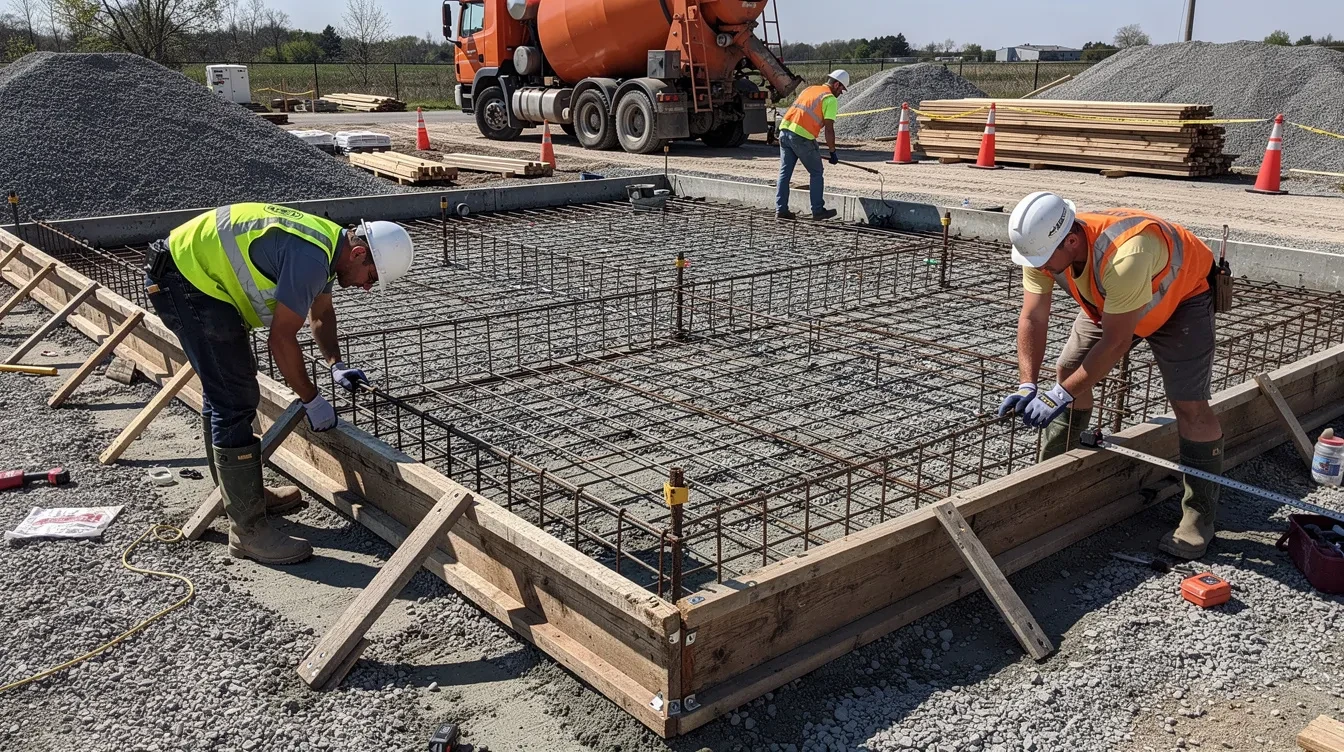
Clearing involves removing trees, rocks, debris, and existing structures. Grading is the process of leveling the ground to ensure proper drainage and stability. Excavation is required for digging trenches for foundations and underground utilities.
Trenching may include water, sewer, gas, electrical, storm drains, or a septic system where allowed. Pouring foundation casts concrete footings, slabs, or basement walls to support the building’s weight.
Southern California foundations may include post-tensioned slabs, raised floors, drilled piers, or caissons based on soil reports, seismic requirements, slope, and bearing capacity.
Ironside verifies layout, rebar, waterproofing, and embed locations before concrete is laid, with city inspections and third-party testing when required.
Interior Build-Out, Exterior Work, and Construction Site Management
Once drywall is complete, work shifts to cabinetry, tile, flooring, interior doors, trim, paint, lighting, plumbing fixtures, appliances, and final painting.
Exterior work may include stucco, siding, stone, decks, railings, driveways, walkways, pools, landscape, irrigation, and outdoor living space.
Ironside maintains an organized construction site with safety protocols, material staging, clean access routes, and daily supervision. Owner upgrades are handled through structured change orders so the budget and schedule remain clear.
Construction Management, Quality Control, and Communication
Complex ground up builds succeed through daily construction management, not design alone. Effective project management in construction involves careful planning, coordination, and execution of tasks to ensure that projects are completed on time and within budget.
Ironside serves as a single point of accountability, coordinating trades, procurement, inspections, safety, cost reporting, and client communication from the first site visit through handover.
Builders offer different levels of support, but Ironside manages the entire process with scheduling, budget tracking, procurement, and field oversight.
Regular communication among project teams is essential for successful project management, as it helps to align goals, resources, and timelines, and address any issues that may arise during the construction process.
Quality control in construction involves systematic inspections, testing, and documentation of building materials, components, and workmanship throughout the construction process.
Safety, Inspections, and Regulatory Compliance on the Construction Site
Safety practices include PPE, toolbox talks, fencing, signage, fall protection, clean access, and Cal/OSHA-aligned procedures. See general safety guidance from Cal/OSHA.
Inspection cadence typically includes foundation, underground plumbing, framing, rough MEP, insulation, lath, roofing, and final building inspections.
System testing checks HVAC, electrical, fire alarms, and plumbing for safety. Documentation includes inspection records, compaction tests, concrete cylinders, product data, and reports stored for warranty and future repairs.
Client Walk-Throughs and Progress Reviews
One of the most valuable parts of the ground-up construction process is the opportunity for homeowners to see their vision come to life through scheduled project reviews and site walk-throughs. These milestones allow clients to better understand the progress being made while providing opportunities to confirm important decisions before changes become costly or disruptive.
Throughout construction, Ironside Building conducts strategic walk-throughs at key stages of the project. Early reviews help confirm site layout, building placement, and major utility locations. As framing progresses, homeowners can experience room dimensions, ceiling heights, window placement, and overall flow firsthand. Prior to drywall installation, clients have the opportunity to review lighting plans, outlet locations, plumbing fixtures, built-ins, and smart home features before walls are closed.
Our team works closely with homeowners throughout the process, translating technical construction details into clear recommendations and actionable next steps. These reviews help reduce uncertainty, improve decision-making, and ensure the final home aligns with the original vision.
Post-Construction & Project Completion
As construction nears completion, the focus shifts toward final inspections, quality assurance, project closeout, and preparing the home for occupancy. This phase ensures every aspect of the project has been completed according to plan and meets applicable building codes, safety requirements, and quality standards.
Before occupancy, local agencies conduct final inspections and issue the necessary approvals required for the home to be legally occupied. Depending on the property and location, additional approvals from homeowners associations or other governing bodies may also be required.
Homeowners receive project closeout documentation that may include warranties, equipment manuals, maintenance recommendations, finish schedules, and other resources designed to support long-term ownership and care of the property.
At Ironside Building, our commitment doesn’t end when construction is complete. We continue to support homeowners after move-in with guidance, follow-up communication, and future project consultation as needs evolve over time.
The Final Walk-Through & Punch List Process
The final walk-through is one of the most exciting milestones in any ground-up construction project. At this stage, the home is substantially complete and ready for a detailed review before final occupancy.
During the walk-through, homeowners have the opportunity to inspect finishes, cabinetry, flooring, fixtures, doors, windows, paint, exterior features, and other completed elements throughout the property. Any remaining adjustments or touch-ups are documented through a punch list, allowing the project team to address final items before project closeout.
This stage also provides an opportunity for homeowners to become familiar with the operation of important home systems, including HVAC controls, smart home technology, lighting systems, security features, pool equipment, and other specialized components incorporated into the project.
The goal is to ensure every detail meets expectations while providing homeowners with the confidence and knowledge needed to enjoy their new home from day one.
Ground-Up Construction Costs, Timelines & Financing
Every ground-up construction project is unique, which means costs and timelines can vary significantly based on design complexity, site conditions, permitting requirements, finish selections, and overall project scope.
In Orange County, factors such as hillside construction, coastal regulations, utility upgrades, specialty materials, custom architectural features, and luxury finishes can all influence the overall investment required. While every project is different, most custom home projects spend several months in planning, design, and permitting before construction begins, with the active construction phase often lasting between 10 and 18 months depending on complexity.
Establishing a realistic budget early in the process is one of the most important steps homeowners can take to set a project up for success. During pre-construction, Ironside Building works closely with clients to develop detailed cost projections, identify potential budget drivers, and create a roadmap that aligns design goals with financial expectations.
Whether utilizing a construction-to-permanent loan, traditional financing, or other funding methods, our team provides detailed estimates, scheduling support, and transparent communication to help homeowners confidently navigate the financial side of the building process while maintaining visibility into project costs and timelines every step of the way.
Choosing the Right Builder for Ground-Up Construction
Choosing the right builder can have just as much impact on your project as the lot or design itself. Ground-up construction requires a contractor who understands permitting, zoning requirements, local building codes, and the complexities that can affect budgets and timelines.
At Ironside Building, we work closely with homeowners, architects, and consultants from planning through completion, providing transparent communication, proactive project management, and quality craftsmanship every step of the way. Whether you’re building a luxury custom home in Irvine, Newport Beach, or elsewhere in Southern California, our team is committed to delivering a seamless construction experience and exceptional results.